
Pet obesity has become one of the most common health issues affecting dogs today. More than half of canine companions are overweight, and the extra pounds can have a significant impact on their quality of life. Obesity increases the risk of joint disease, diabetes, heart disease, breathing problems, and even reduces life expectancy. While diet and exercise play important roles, treats are frequently overlooked.
Treats should strengthen your bond with Fido, not jeopardize his health. A veterinarian from Animal Hospital of Crested Butte, which proudly serves Crested Butte and Gunnison County, offers practical advice on choosing, portioning, and using treats responsibly to keep your dog happy, healthy, and fit.
Choosing Store-Bought Treats Wisely
Store-bought treats are convenient and widely available, but not all treats are the same. When choosing treats for your dog, keep his age, size, breed, and level of activity in mind. Puppies, senior dogs, and small-breed dogs require very different nutrients than large, active adult dogs.
Reading the ingredient labels is essential. High-quality treats should have real meat, poultry, or fish as their first ingredient. Avoid treats with artificial colors, chemical preservatives, excessive fillers, or unidentified animal byproducts. Treats made in North America are frequently held to higher safety and quality standards, making them a more trustworthy option.
Even the healthiest treats should be consumed moderately. Treats should not make up more than 10% of your dog’s daily caloric intake. Overfeeding, including premium treats, can quickly lead to unwanted weight gain.
Homemade Treats for Dogs
Homemade treats are an excellent option for pet owners who enjoy preparing food at home. Making treats yourself allows you to control ingredients, avoid additives, and tailor snacks to your dog’s preferences and dietary needs.
Mashed bananas, pure pumpkin, plain yogurt, cooked lean meats, ground turkey, liver powder, eggs, and sodium-free broth are all safe ingredients for homemade dog treats. Small amounts of cheese or natural peanut butter can be used, but make sure the peanut butter does not contain xylitol, which is toxic to dogs.
Homemade treats can be baked into biscuits, rolled into bite-sized balls, or frozen as enrichment snacks. Portion control is still important because homemade treats can be high in calories. Your veterinarian at Animal Hospital of Crested Butte, which serves Crested Butte and Gunnison County, can help you determine appropriate treat portions and make recipe suggestions.
Using Treats for Training and Enrichment
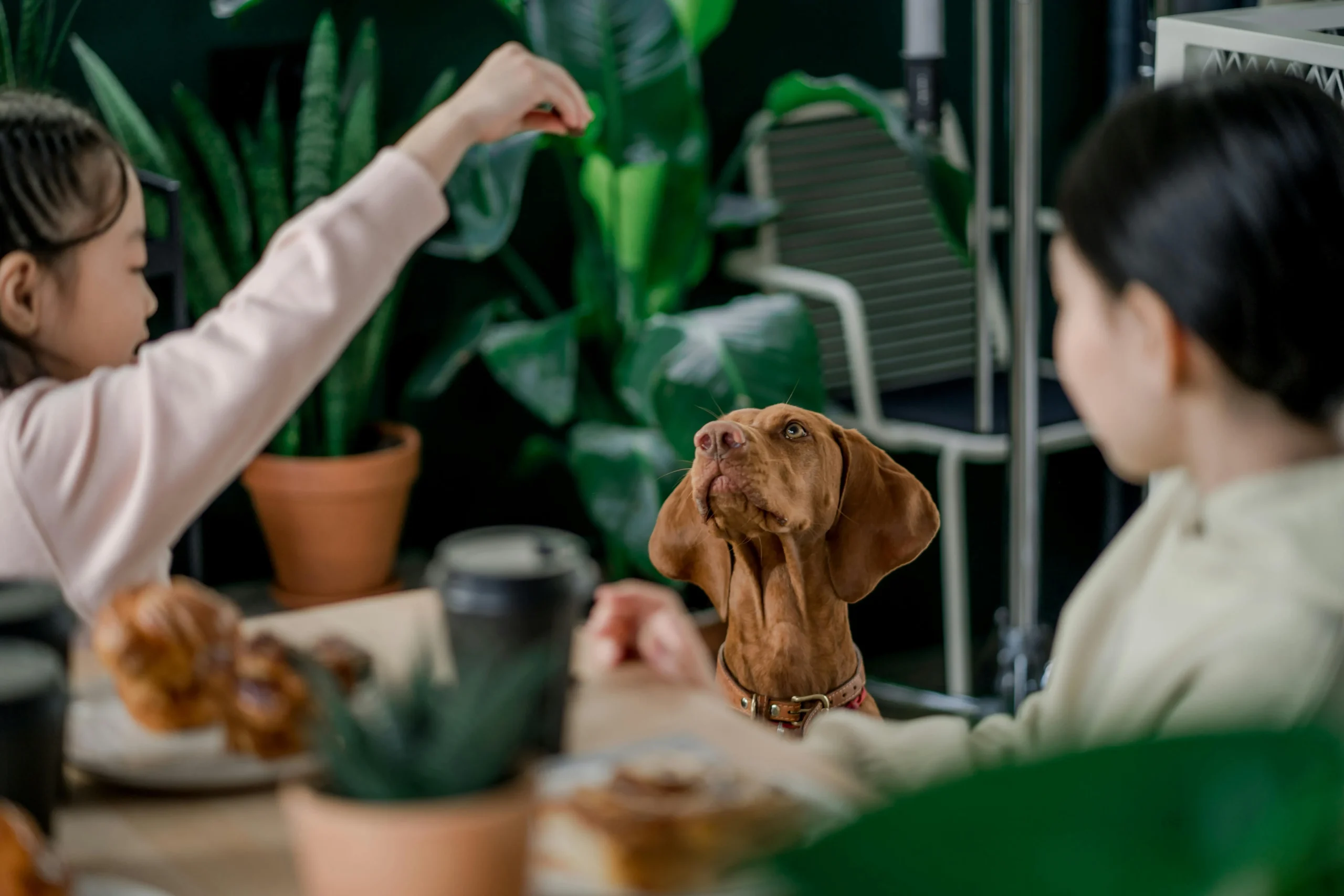
Treats are extremely effective tools for positive reinforcement training. Dogs are naturally eager to please, and rewarding good behavior promotes learning and strengthens your bond. Basic commands like Sit, Stay, Come, and Down can be easily reinforced with small treats.
As training progresses, treats can encourage fun tricks such as Shake, Roll Over, Spin, and Play Dead. Mental stimulation through training is equally important as physical exercise in reducing boredom-related behaviors.
For training sessions, use small, low-calorie treats or cut larger treats into tiny pieces. This allows you to reward yourself more frequently while not significantly increasing your daily calorie intake.
Managing Begging and Overfeeding
Begging behavior is one of the biggest challenges when it comes to treat control. Dogs have mastered the art of persuasion, and it can be difficult to resist those pleading eyes. Unfortunately, frequent “just one more” treats can quickly add up.
Consistency is key. Establish a clear treat routine and avoid rewarding begging behaviors such as whining, pawing, or jumping. Instead, reward calm behavior, obedience, or training success. Attention, praise, playtime, or toys can often be just as rewarding as food.
Treat Safety and Toxic Foods
Not all foods are safe for dogs. Never give Fido treats containing chocolate, garlic, onions, alcohol, caffeine, grapes, raisins, avocado, raw yeast dough, or xylitol. Fatty, salty, or sugary Foods should also be avoided because they can lead to pancreatitis, obesity, and digestive problems.
When consumed in moderation, certain fruits and vegetables can be excellent low-calorie treats. Carrot sticks, green beans, blueberries, pumpkins, and seedless apple slices are all safe options. Always introduce new foods gradually, and if you are unsure, consult your veterinarian.
Portion Control and Treat Timing
Portion size is just as important as treat quality. For small dogs, a single large treat can account for a significant portion of their daily calorie intake. Larger dogs may tolerate slightly larger treats, but dividing snacks into smaller pieces is always a good strategy.
It is also important to consider timing. Offering treats after walks, training sessions, or physical activity reinforces positive behavior while decreasing the likelihood of constant snacking throughout the day.
Monitoring Your Dog’s Weight and Health
Regular weight checks and body condition assessments are necessary. A healthy dog should show a visible waist from above and a slight abdominal tuck from the side. If Fido begins to gain weight despite proper treat management, it may be time to reconsider his overall diet and activity level.
Your veterinarian can assess your dog’s weight, recommend dietary changes, and suggest healthier treat options based on his specific needs.
The University Of Cambridge wrote about dog treats in this piece. PetMD also ‘bit’ into this topic here.
Frequently Asked Questions About Giving Dogs Treats
How often can I give my dog treats?
Treats should make up no more than 10 percent of your dog’s daily calories. This usually means a few small treats per day, depending on size and activity level.
Are homemade treats healthier than store-bought treats?
Homemade treats can be very healthy if made with safe ingredients, but high-quality store-bought treats are also appropriate. Portion control is the most important factor.
Can treats be used for training every day?
Yes. Treats are excellent training tools, especially when they are small, low-calorie, and used strategically. They’re also much more popular with dogs than gold stickers!
What foods should dogs never eat?
Dogs should never eat chocolate, onions, garlic, alcohol, caffeine, xylitol, grapes, raisins, raw dough, or fatty table scraps.
How can I stop my dog from begging for treats?
Create a routine, reward calm behavior, and avoid giving treats in response to begging. Consistency is essential for long-term success.
Treat and Nutrition Guidance From a Vet Near You
If you’re concerned about your dog’s weight, treat habits, or overall nutrition, professional advice can be beneficial. If you’re looking for a trustworthy veterinarian near me, Animal Hospital of Crested Butte is proud to provide personalized nutritional counseling and preventive care to Crested Butte and Gunnison County.
Our veterinary team can assist you in selecting healthy treats, controlling portion sizes, and developing a balanced diet plan to keep Fido feeling his best. Contact us today to set up a consultation and ensure your dog’s long-term health.
This article is intended for educational purposes only and does not replace professional veterinary advice. Always consult a licensed veterinarian regarding your dog’s diet, treats, or health concerns.
To learn more about our Crested Butte pet clinic, drop by our Service page here for an overview of our animal clinic. You can also learn more about our Wellness and Vaccinations offerings here or our Laser Therapy options here.