

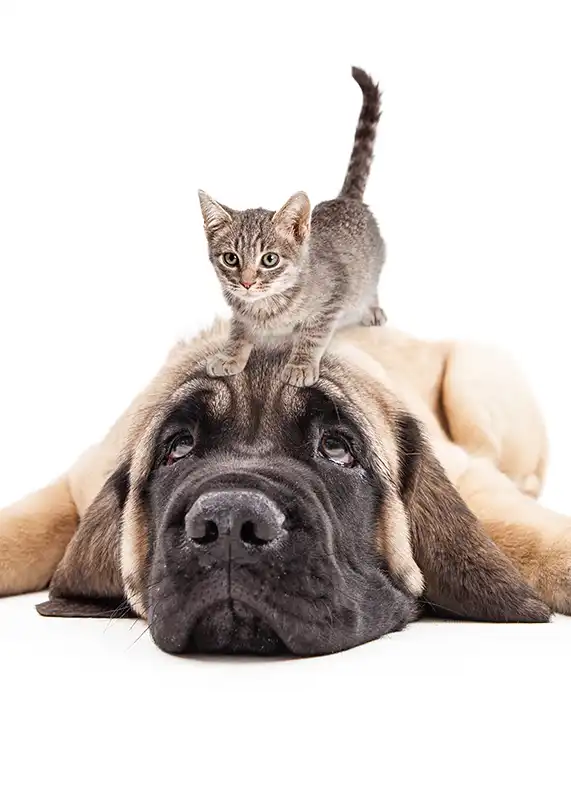

Do you find yourself covered in pet fur? As the days get shorter, dogs and cats naturally shed their lighter summer coats to make way for thicker winter fur. Then, in spring, they shed again, this time as they change into summer wardrobes. Unfortunately for pet owners in Crested Butte and across Gunnison County, this frequently results in fur on floors, furniture, clothes, and just about everything else.
Shedding is completely normal, but it doesn’t mean you have to spend months covered in fur. With the right routine, tools, and a little patience, you can handle the shedding season while keeping your pet comfortable and your home clean. A veterinarian from Animal Hospital of Crested Butte offers some helpful advice below.
Vacuum
Vacuuming frequently is one of the most effective ways to keep pet hair under control during the shedding season. Fur tends to collect quickly in high-traffic areas and places where your pet likes to nap.
You do not have to vacuum the entire house every day. Every day, focus on the main walkways, entryways, rugs, and your pet’s favorite lounging areas. Schedule more thorough cleanings once a week to prevent buildup. If possible, use a vacuum designed for pet hair, which typically has stronger suction and specialized attachments that work better on fur.
Furniture
Pet hair prefers upholstery. To remove fur from couches, chairs, and car seats, use a rubber squeegee, a damp cloth, or a rubber dish glove. These generate static, which makes it easier to lift hair from fabric than just lint rollers.
Slipcovers are another excellent solution. Choose washable covers that can be easily removed and cleaned. Even if you only use them during peak shedding months, they can significantly reduce the amount of fur that becomes embedded in your furniture.
Brushing
Brushing on a regular basis is an important step in shedding management. Brushing removes loose, dead hair before it falls to your floors and furniture. It also helps to distribute natural oils, making your pet’s coat healthier and shinier.
Consider brushing your dog outside to avoid getting excess fur inside your home. Use a brush that is appropriate for your pet’s coat type, as different tools work better on short-haired, long-haired, and double-coated breeds. Brushing cats on a regular basis is also very beneficial, especially during seasonal coat changes.
Proper diet
Nutrition has a significant impact on coat health. Pets fed a balanced, high-quality diet tend to shed less than those with nutritional deficiencies. Essential fatty acids, including omega-3s and omega-6s, promote healthy skin and fur and may help reduce excessive shedding.
If you notice excessive shedding, dry skin, or a dull coat, see your veterinarian. Dietary changes and supplements may help your pet’s coat condition.
Bathing and Grooming
Baths can help loosen dead fur and reduce shedding, but excessive bathing can dry out your pet’s skin and exacerbate shedding. Use a pet-safe shampoo and bathe at the frequency recommended by your veterinarian.
Professional grooming can also be beneficial during peak shedding seasons, particularly in thick-coated or heavy-shedding breeds. Groomers use specialized tools to brush undercoat efficiently and safely.
Clothing
During shedding season, you may feel as if you are wearing your pet’s fur wherever you go. Selecting the appropriate clothing fabrics can make cleanup easier. Materials such as denim, silk, and polyester blends repel fur, whereas textured fabrics attract it.
Lint rollers should be kept in easily accessible places, such as your car or entryway. To loosen hair before wearing or washing, place fur-covered clothes in the dryer with a damp washcloth for a few minutes.
WebMD wrote about dog shedding here. Purina also has an article on shedding in cats here.
FAQs
Is shedding normal for dogs and cats?
Yes. Most pets shed year-round, with heavier shedding occurring during seasonal coat changes, especially in spring and fall.
Can excessive shedding be a sign of a health problem?
Sometimes. Allergies, parasites, stress, or nutritional deficiencies can contribute to excessive shedding. A veterinary exam can help identify underlying issues.
How often should I brush my pet during shedding season?
Many pets benefit from daily brushing during peak shedding times, though frequency depends on coat type and breed. Ask your vet for more information.
Do supplements help reduce shedding?
Certain supplements may support skin and coat health, but they should only be given under veterinary guidance.
Does indoor living affect shedding?
Yes. Indoor pets exposed to artificial lighting may shed more consistently throughout the year rather than seasonally.
Visit Our Crested Butte Veterinary Hospital
Shedding season can be chaotic, but it does not have to be overwhelming. With regular grooming, proper nutrition, and veterinary care, you can keep your pet comfortable and your home manageable. If you have questions about shedding, coat health, or grooming routines, Animal Hospital of Crested Butte is here to assist pet owners in Crested Butte and Gunnison County.
If you’re looking for a reputable animal hospital or a dependable veterinarian near me, contact us today to set up an appointment.
This content is for informational purposes only and is not a substitute for professional veterinary advice. Always consult your veterinarian regarding your pet’s health, diagnosis, or treatment needs.
To learn more about our Crested Butte pet clinic, drop by our Service page here for an overview of our animal clinic. You can also learn more about our wellness and vaccinations offerings here.