

Winter can be a magical time of year, particularly in Crested Butte, where snow-covered landscapes frequently entice dogs to joyful zoomies and enthusiastic play sessions. While many dogs enjoy the cold, winter weather presents unique challenges that can impact your dog’s comfort, safety, and overall well-being. Pet parents must take extra precautions when dealing with shorter days, freezing temperatures, snow, ice, and chemical deicers.
A veterinarian at Animal Hospital of Crested Butte provides a wealth of practical advice aimed at assisting dog owners across Crested Butte and Gunnison County in ensuring that their beloved canine companions remain both joyful and healthy throughout the entire winter season.
Paw Care
Your dog’s paw pads are particularly vulnerable during the winter. Snow, ice, salt, sand, and chemical deicers can all result in dryness, cracking, burns, and infections. Ice can also accumulate between the toes, causing discomfort or limping.
Dog booties offer excellent protection, but not every puppy is willing to wear them. If your dog refuses to wear shoes, apply paw balm or paw wax before going outside to protect sensitive pads. After walks, clean your dog’s paws with a damp cloth to remove salt and chemicals. Keeping nails trimmed is also important because long claws reduce traction and increase the risk of slips and falls on icy surfaces. Whenever possible, use pet-safe deicing products on your own walkways and driveway.
Grooming
Regular grooming is essential for winter comfort. Dirt, loose fur, and dander can all interfere with the insulating properties of your dog’s coat, making it difficult for him to stay warm. Brushing removes debris and helps distribute natural oils, making the coat healthier and more resistant to the cold.
Avoid shaving your dog, as fur provides natural insulation. For some dogs, cutting their fur can damage it, sometimes permanently. If your dog has long hair, trim the excess fur around the paws and belly to prevent snow buildup and matting.
Clothing
Some dogs benefit from wearing an extra layer in cold weather. Puppies, senior dogs, small breeds, and dogs with thin or short coats frequently struggle to maintain heat. A well-fitted dog sweater or coat can keep your dog warm during outdoor activities.
Choose clothing that fits well without restricting movement. Avoid outfits with zippers, buttons, loose threads, or decorative pieces that could cause choking hazards. To avoid chilling, always remove wet clothing promptly.
Veterinary Care
Cold temperatures can worsen existing health conditions, especially arthritis and other joint problems. Dogs with mobility issues may become stiffer or more painful during winter months.
Routine veterinary care is especially important around this time of year. Your veterinarian may suggest wellness exams, joint supplements, or changes to pain management plans. Staying proactive ensures that your dog is comfortable throughout the colder season.
Walking
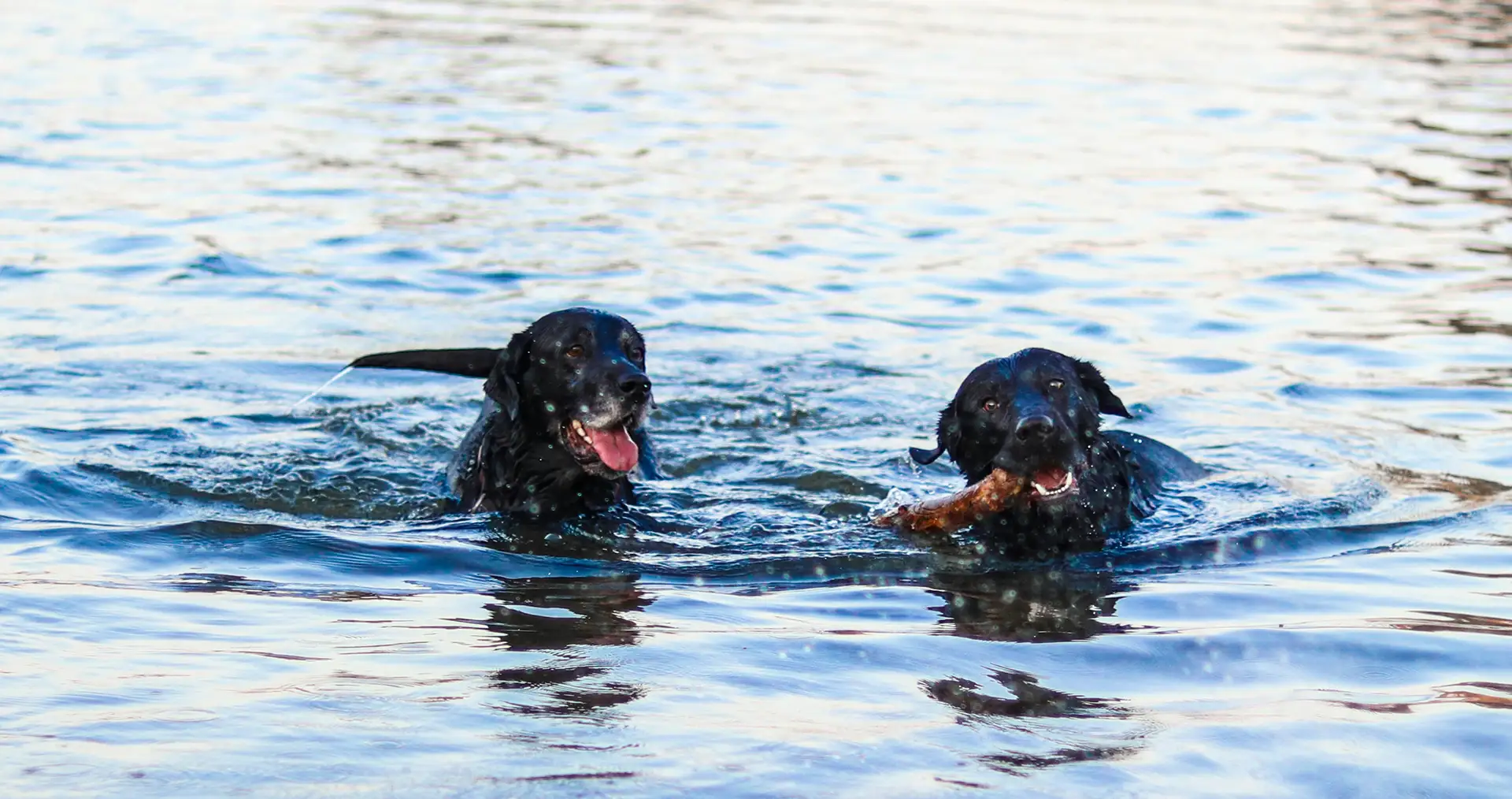
Daily walks are still important in the winter, but extra caution is advised. Avoid frozen lakes, ponds, and streams because ice thickness is unpredictable. Fresh snow may conceal sharp objects such as glass, rocks, or debris that could injure your dog’s paws.
In extreme cold, keep walks short and watch for signs of discomfort, such as lifting paws, shivering, or slowing down. Always use a leash to keep your dog from wandering into dangerous areas.
Food
Some dogs burn more calories in cold weather, especially if they spend time outdoors. Others, particularly less active dogs, may need portion adjustments to prevent weight gain during winter months.
Senior dogs and those with joint issues may benefit from supplements such as fish oil to support mobility and coat health. Always consult your veterinarian before making dietary changes or adding supplements.
Bedding
A warm, comfortable sleeping area is essential during winter. Make sure your dog’s bed is placed away from drafts, cold floors, and exterior doors. Wash bedding regularly to keep it clean and inviting.
You can read winter paw care tips on the Animal Humane Society page here. The ASPCA has a blog on winter pet care here.
FAQs
Do dogs get cold in winter?
Yes. While some breeds, like huskies, tolerate cold better than others, all dogs can become cold, especially during extreme temperatures or prolonged exposure.
Should I walk my dog in the snow?
Yes, but take precautions. Protect paws, avoid icy surfaces, and keep walks shorter in severe cold.
Is salt harmful to dogs’ paws?
Yes. Salt and chemical deicers can irritate or burn paw pads and should be cleaned off after walks.
Do dogs need winter clothing?
Certain pups do. Some dogs benefit from coats or sweaters, particularly small, senior, or short-haired breeds. Ask your vet.
Can winter affect arthritis in dogs?
Cold weather can worsen joint stiffness and pain, making veterinary guidance especially important during winter.
Visit Our Crested Butte Animal Clinic
Winter care is essential for keeping your dog healthy, comfortable, and active during the cold months. Animal Hospital of Crested Butte is here to help pet owners in Crested Butte and Gunnison County with questions about seasonal care, nutrition, mobility, and preventive health.
If you’re searching for an animal hospital near me or a trusted vet near me, contact us today. today to set up an appointment and help your dog thrive this winter.
This content is intended for informational purposes only and should not be used as a substitute for professional veterinary advice. Always consult with your veterinarian about your pet’s health, treatment, and care needs.
To read more about our Crested Butte pet clinic, drop by our Service page here for an overview of our animal clinic. You can also learn more about our wellness and vaccinations offerings here.