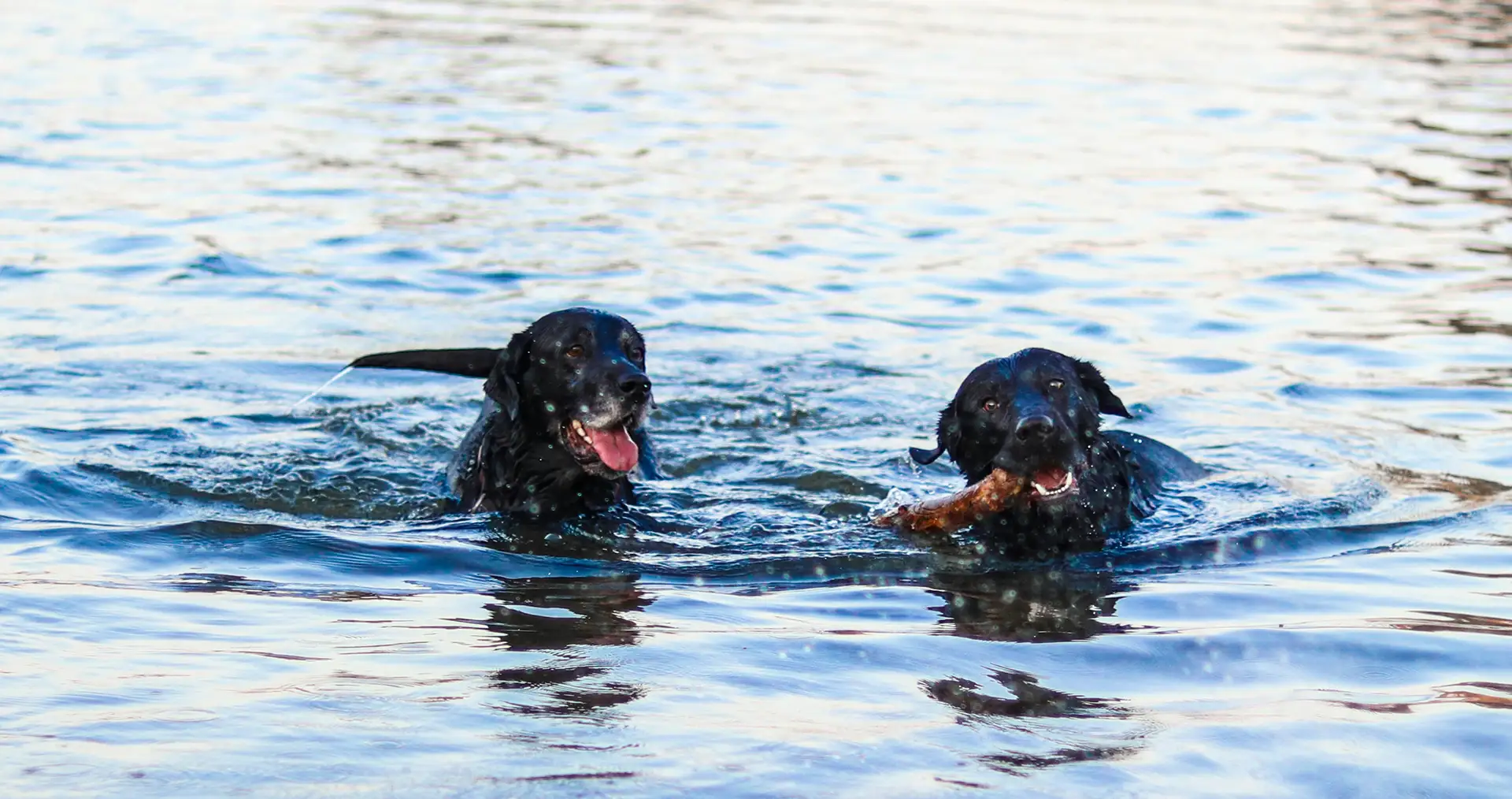



Colorado is well-known for its breathtaking scenery, mountain trails, lakes, and vast open spaces. During the warmer months, many pet owners enjoy hiking, camping, fishing, and exploring the outdoors with their dogs. While these adventures can be enriching and enjoyable for dogs, the Colorado wilderness also poses unique risks that pet owners should be aware of.
From toxic plants and dangerous wildlife to parasites and waterborne illnesses, understanding the risks, which range from toxic plants and dangerous wildlife to parasites and waterborne illnesses, enables you to take precautions before venturing outside. A local veterinarian from Animal Hospital of Crested Butte, which serves Crested Butte and Gunnison County, explains the most common Colorado hazards for dogs and how to keep them safe.
Toxic Plants Found in Colorado
Dogs experience the world through their noses and mouths, and curious sniffing can sometimes turn into chewing or tasting unfamiliar plants. Unfortunately, several plants native to Colorado can be highly toxic to dogs.
Death camas is one of the most dangerous plants found in the region. It commonly grows in sunny meadows and rocky hillsides and can cause severe gastrointestinal upset, heart problems, and even death if ingested.
Lupines, larkspur, locoweed, and western water hemlock are some of the other toxic plants. These plants are frequently found near marshes, streams, and wet grazing areas, and they can cause a variety of symptoms, including drooling and vomiting, neurological problems, and respiratory failure.
Foxtail grasses are another major issue. While not harmful, their sharp, barbed seed heads can penetrate a dog’s skin, ears, nose, eyes, or paws. Once embedded, foxtails can travel deeper into the body, causing painful infections that frequently necessitate veterinary intervention.
When hiking or camping, keep your dog on a leash, avoid letting them roam freely in tall grass or unfamiliar vegetation, and inspect their coat, ears, and paws after outdoor activities.
Wildlife Encounters
Colorado is home to a diverse range of wildlife, some of which pose serious risks to dogs. Mountain lions, bears, coyotes, and foxes may view pets as prey or threats to their territory. Even smaller wildlife can become aggressive when startled or trying to protect their young.
Rattlesnakes are another major threat, especially during the warmer months. Colorado is home to several venomous snakes, including the prairie rattlesnake, midget faded rattlesnake, and western massasauga rattlesnake. Snake bites can be fatal and require immediate veterinary attention.
To reduce risk, keep your dog on a leash while hiking, avoid areas with tall grass, dense brush, or rock piles, and stay aware of your surroundings. Making noise while hiking can help wildlife detect your presence and reduce unexpected encounters.
Water Hazards in the Outdoors
Natural water sources can be appealing to dogs, especially after exercise. However, streams, lakes, and puddles may contain bacteria, parasites, or toxins that can seriously harm your dog.
Cyanobacteria, or blue-green algae, is one of the most dangerous threats. These toxins can form in warm, stagnant, or slow-moving water and can be fatal if consumed. Even a brief exposure can result in vomiting, diarrhea, seizures, and collapse.
Whenever possible, bring your dog some fresh, clean water. When camping, boil or properly treat the water before serving it to your pet. Do not allow dogs to drink from standing water, ponds, or algae-covered surfaces.
Parasites and Disease Risks
Warmer weather in Colorado leads to an increase in parasites like fleas, ticks, and mosquitoes. These pests can spread serious diseases like Lyme disease, ehrlichiosis, and heartworm disease.
Regular parasite prevention is essential for dogs who spend time outside. Before going on a hike or camping trip, make sure your dog is up to date on flea, tick, and heartworm preventatives prescribed by your veterinarian. After outdoor activities, thoroughly check your dog for ticks, paying special attention to the ears, neck, armpits, and between toes.
Concerns regarding Leptospirosis (Lepto).
Leptospirosis is a bacterial disease that spreads through contact with water or soil contaminated with infected wildlife urine. Wet, muddy areas are common sources, increasing the risk of outdoor adventures.
Dogs infected with leptospirosis may develop fever, vomiting, diarrhea, lethargy, kidney or liver failure, and, in severe cases, death. While exposure can occur at any time of year, the peak seasons are typically spring and fall.
Dogs who frequently hike, camp, swim, or live in high-risk environments may benefit from vaccination. Your veterinarian can advise you on whether the lepto vaccine is appropriate for your dog based on his lifestyle and risk of exposure.
The National Park Service did a post on hiking with pets, which you can read here. Impact Magazine also has a piece on this here.
FAQ: Common Questions About Colorado Hazards for Dogs
What plants in Colorado are toxic to dogs?
Death camas, lupines, larkspur, locoweed, and western water hemlock are all toxic. Foxtail grasses are also dangerous due to their barbed seeds, which can cause infections.
Which wild animals pose the biggest risks to dogs?
Mountain lions, bears, coyotes, and rattlesnakes are among the most dangerous. Keeping dogs leashed and avoiding high-risk areas helps reduce encounters.
Can dogs get sick from drinking wild water?
Yes. Natural water sources may contain bacteria, parasites, or blue-green algae toxins. Always bring fresh water and avoid stagnant or algae-covered water.
How do I protect my dog from parasites outdoors?
Use veterinarian-recommended flea, tick, and heartworm prevention year-round and check your dog for ticks after outdoor activities.
Should my dog be vaccinated for leptospirosis?
Dogs with exposure to wet or muddy environments or wildlife may benefit from the lepto vaccine. Your veterinarian can advise based on risk factors.
Schedule a Visit at Animal Hospital of Crested Butte
Are you planning any outdoor adventures with your dog this season? Partnering with a trusted local veterinary team will protect Fido from common Colorado dog hazards. Animal Hospital of Crested Butte proudly serves Crested Butte and Gunnison County, providing preventive care, vaccinations, parasite control, and wellness exams designed for active dogs.
If you’re looking for a reliable veterinarian near me, look no further. Contact Animal Hospital of Crested Butte today to book an appointment and keep your dog safe, healthy, and adventure-ready.
This information is provided for educational purposes only and is not a substitute for professional veterinary advice, diagnosis, or treatment. Always consult a licensed veterinarian regarding your pet’s specific health and safety needs.
To learn more about our Crested Butte pet clinic, drop by our Service page here for an overview of our animal clinic. You can also learn more about our Wellness and Vaccinations offerings here or our Laser Therapy options here.